Digital Counter vs Traditional Japa Mala: Finding Spiritual Harmony
How to Cleanse and Care for Traditional Wooden Malas
Because natural Tulsi wood and Rudraksha seeds are porous biological materials, they absorb natural oils and environmental moisture over years of daily handling. Proper physical and energetic care preserves their durability for decades:
- Protect from Direct Water and Soap: Never wear or wash your sacred Tulsi japa mala under household tap water or with chemical soaps. Moisture can weaken the internal cotton or silk knotting cord, causing the string to fray and snap unexpectedly.
- Periodic Conditioning with Pure Oils: Once every six months, gently apply a single drop of pure cold-pressed mustard oil, sesame oil, or natural sandalwood oil across the beads using a soft cotton cloth. This nourishes the natural wood fibers and prevents brittleness in dry winter climates.
- The Gaumukhi Cloth Bag: Always store your japa mala inside a clean cotton or silk bead bag (Gaumukhi). The bag keeps the sacred beads shielded from dust, airborne impurities, and casual public gaze.
The Devotee's Modern Dilemma: Tradition Meets Reality
Many sincere sadhaks who aspire to maintain steady japa throughout the day face a familiar practical challenge when stepping outside the sanctity of their home altar. Carrying a Gaumukhi bead bag with a sacred Tulsi or Rudraksha mala into modern public environments often brings unexpected difficulties that traditional monastic texts did not anticipate.
On crowded commuter trains and city buses during peak hours, tight spaces make holding a physical bead bag awkward and vulnerable to being bumped. In professional workplaces, holding beads can invite casual curiosity, questions, or unwanted distractions. Moreover, traveling through dusty streets, handling transit railings, or performing physical errands often leaves the hands unclean, creating hesitation and concern about touching sacred wooden beads without prior washing.
This creates an inner dilemma for many devotees: classical scriptures extol the profound sanctity and grounding of wooden beads, yet navigating a demanding twelve-hour modern routine with a physical mala in hand can be genuinely impractical.
The ultimate essence of spiritual sadhana is continuous, loving remembrance of the Divine name. Physical beads and digital counters are both sacred aids created to assist that remembrance, not to cause rigidity or discouragement. By appreciating the unique strengths of both traditional wooden malas and modern hands-free voice counters, one can create a balanced spiritual routine that thrives in everyday life.
The Irreplaceable Sacred Power of the Traditional Wooden Mala
A traditional wooden mala (carved from sacred Tulsi wood, wild Rudraksha seeds, or fragrant Sandalwood) offers distinct psychological and energetic benefits that no flat glass smartphone screen can ever duplicate:
- Tactile Acupressure Grounding: Rolling individual beads between your thumb and middle finger gently stimulates dense clusters of nerve endings in your fingertips. These sensory pathways link directly to the brain's prefrontal cortex, naturally grounding racing thoughts.
- The Energetic Battery Effect: Over years of dedicated morning chanting on an asana, the porous natural wood absorbs the essential oils of your hands, the fragrance of incense, and the acoustic vibrations of your prayers. The mala becomes an energetically charged personal sanctuary.
- Sensory Ritual Anchor: Taking your sacred mala out of its cloth bag in the quiet dark of early morning immediately signals your nervous system that secular worries are paused and deep meditation has begun.


From Knotted Ropes to Digital Voice: The History of Sacred Counting
Human beings have tracked prayer repetitions for thousands of years. Long before wooden beads were manufactured, ancient ascetics in the Vedic forest used simple natural counting aids:
- Kar-Mala (Finger Phalanx Counting): Using the thumb to count the 12 segments on the four fingers of the right hand. Moving across the three phalanges of the little, ring, middle, and index fingers allowed complete tracking without any external physical tools.
- Knotted Silk and Kusha Grass Cords: Wandering mendicants tied small knots into sacred grass cords to track thousands of repetitions during long forest pilgrimages.
- Carved Seed and Wood Malas: The emergence of Tulsi and Rudraksha strings in ancient ashrams provided durable, sacred counting vessels.
The modern digital voice counter is the natural evolutionary extension of this sacred journey: an acoustic instrument adapted to an urban world where hands are occupied with driving, cooking, typing, and manual work.
Plastic digital finger tally counters became popular in the 1990s, but they carry a major psychological flaw: mindless autopilot clicking. Because pressing a mechanical button requires zero vocalization or breath control, your thumb quickly learns to click mechanically while your mind wanders into office politics or grocery shopping. Hands-free voice recognition counters solve this because the counter only increments when your vocal cords enunciate the sacred syllables with active presence.
Comparing Both Tools Side by Side
Traditional 108 Japa Mala
- Best Environment: Quiet morning altar sessions at home.
- Sensory Feedback: Rich tactile wood feel and finger acupressure.
- Distraction Level: Zero screen glare, zero digital battery anxiety.
- Limitations: Requires clean hands, asana space, and physical protection.
Naam Jap Voice Counter
- Best Environment: Active daily life, cooking, walking, and commuting.
- Sensory Feedback: Hands-free vocal enunciation and soft audio chimes.
- Tracking Power: Automatic daily habit streaks and multi-month logs.
- Privacy: client-side browser processing with zero audio storage.
Building Your Ideal Hybrid Sadhana Ecosystem
Instead of creating an artificial debate between ancient beads and modern technology, wise modern seekers combine both tools into a seamless daily rhythm:
- The Morning Anchor (Traditional Mala): Spend your first 20 to 30 minutes at dawn seated on your wool asana in front of your home altar. Use your sacred Tulsi or Rudraksha mala in total stillness, anchoring your consciousness in reverent gratitude.
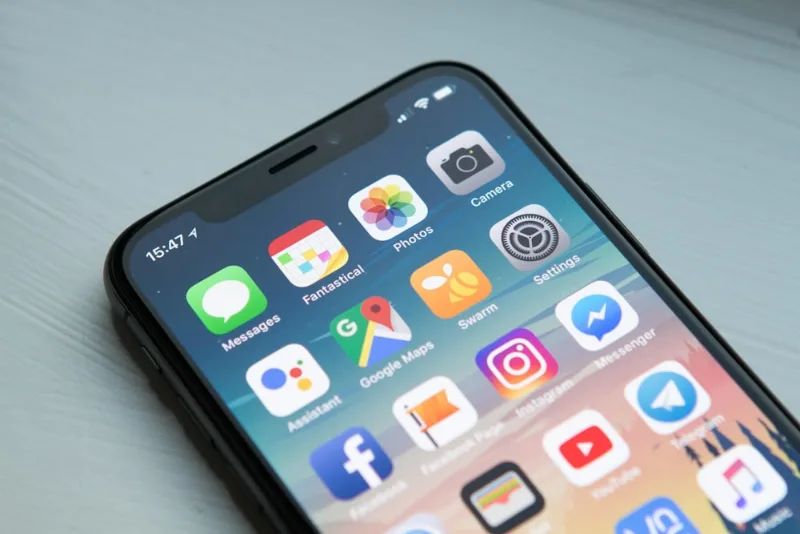
- The Active Working Day (Voice Counter): Once you leave your puja room, keep your sacred mala safely protected at home. While preparing breakfast in the kitchen, washing dishes, walking outside, or taking brief desk breaks, open the Naam Jap Voice Counter on your phone or laptop. Chant aloud hands-free, letting the software track your daily counts effortlessly.
Sensory Priming: Why Combining Physical and Digital Tools Works
In cognitive psychology, sensory priming describes how specific environmental triggers (textures, smells, and acoustic tones) instantly activate deeply conditioned mental states without requiring active willpower.
When you hold your traditional Tulsi mala during morning prayer, the tactile roughness of the wood, the scent of sandalwood paste, and the visual sight of your altar create a powerful multisensory anchor that drops your brainwaves into deep alpha and theta frequencies. Your brain learns: "When this wooden bead is in my hand, all secular stress is switched off."
Later in the day, when you open the Naam Jap Voice Counter during an office walk or kitchen chore, the crisp acoustic chime of the digital bell acts as a secondary auditory prime. It triggers the exact same neural calm you established at dawn on your prayer rug, transporting the peace of your morning altar directly into the middle of a noisy Tuesday afternoon.
Stealth Mode (Digital Gaumukhi) & Bedside Sleep Timer Pod
A classic tradition in Vedic japa is the use of a cloth bead bag (Gaumukhi), which keeps the japa mala and moving fingers concealed from public view. The Naam Jap digital counter brings this sacred principle into modern life:
- Stealth Mode (The Digital Gaumukhi): Turning on Stealth Mode blacks out the entire smartphone screen. As you chant, the screen stays dark while subtle, gentle haptic vibrations confirm each count. You can practice discreetly on buses, in offices, or in crowded family rooms without glowing digits drawing unwanted attention.
- Bedside Sleep Timer Pod vs. Mechanical Clickers: Mechanical plastic tally clickers make sharp clicking noises that disturb partners and are easily dropped when drifting to sleep. Our Bedside Sleep Timer allows you to select a duration (5, 10, 15, 30, 45, 60 minutes or a 108-Mala limit). Once completed, audio listening gently disengages, safeguarding your phone battery as you fall peacefully asleep in remembrance.
- 528Hz Temple Bell Synthesizer: Replaces the jarring mechanical click with a pure, sacred bronze bell frequency every time 108 repetitions are completed.
Frequently Asked Questions
Does chanting with a digital voice counter bring the same spiritual benefit as a physical mala?
The primary power of sadhana lies in your sincere devotion and mental absorption in the holy name. A mala provides tactile grounding, while a digital counter provides hands-free accessibility; both serve the same spiritual goal.
Can I keep my physical mala exclusively for morning seated prayers?
Yes, this hybrid approach is widely recommended. Use your sacred wooden mala on your morning asana, and rely on voice or digital counting during travel, chores, and work.
What should I do if I am embarrassed to hold a mala in public places?
A hands-free browser voice counter or silent mental japa allows you to maintain your practice discreetly without attracting unwanted questions in public transit or office environments.
Do plastic clicker counters have any drawbacks?
Plastic finger counters can lead to mechanical thumb-clicking where your finger moves on autopilot while your mind is entirely elsewhere. Spoken voice counters require active vocal enunciation, keeping your awareness locked in.
What is Stealth Mode and how does it compare to a Gaumukhi?
Stealth Mode blacks out the screen completely and provides subtle haptic vibration per repetition, replicating the privacy of a traditional cloth Gaumukhi in public spaces.
Can I use the counter while falling asleep in bed?
Yes. The Bedside Sleep Timer Pod automatically turns off microphone listening after your chosen duration or 108-count mala limit, protecting device battery while you sleep.