Sacred Mantras and Their Deep Spiritual Meanings: The Ultimate Companion
Reciting Words with Heartfelt Awareness vs Mechanical Chanting
A very common phase in many spiritual journeys is treating mantra repetition as a mechanical quota to be fulfilled. One often speeds through syllables as rapidly as the tongue can move, focused solely on completing a number of rounds or finishing a daily target quickly. When chanting is done in this rushed, hurried manner without understanding or attention, the practice can eventually begin to feel dry and automatic: beads are moved, but the heart feels distant.
The ancient Sanskrit term Mantra is derived from two profound root concepts: Man (the mind, the thinking principle) and Tra (to protect, liberate, or lift across). A mantra is a sacred acoustic vessel designed to protect awareness from the turbulent storms of worldly anxiety and draw the mind back to its natural state of peace.
While the pure sonic vibration of the Divine Name (Shabda Brahma) purifies the heart unconditionally, cultivating an understanding of its spiritual essence breathes living warmth and devotion (Bhava) into your sadhana. When the mind, intellect, and heart are aligned with the sacred holy name, repetition ceases to be a repetitive routine and becomes a tender, heartfelt communion with the Supreme Consciousness.
1. The Hare Krishna Mahamantra (The Kali Santarana Song)
हरे राम हरे राम राम राम हरे हरे ॥
Recorded in the ancient Kali Santarana Upanishad and celebrated across the globe through the Chaitanya Mahaprabhu tradition, this 16-word, 32-syllable song of deliverance is revered as the sovereign medicine for the current era (Kalyug). It weaves together three supreme holy names:
- Hare (Hara): The divine feminine energy of supreme compassion and unconditional love (Shri Radha). Calling upon 'Hare' is crying out to the Divine Mother to lift the soul from material suffering.
- Krishna: The all-attractive Supreme Being who draws all wandering souls back to eternal peace and spiritual joy (from the Sanskrit root Krish, meaning to attract and plow the heart).
- Rama: The infinite reservoir of supreme spiritual bliss (from the Sanskrit root Ram, meaning to rejoice in the inner self).
The essence of the Mahamantra is not a petition for money, health, or worldly promotions. It is a selfless, childlike prayer: "O Divine Mother, O All-Attractive Lord, please engage my restless mind, hands, and heart in Your loving service."
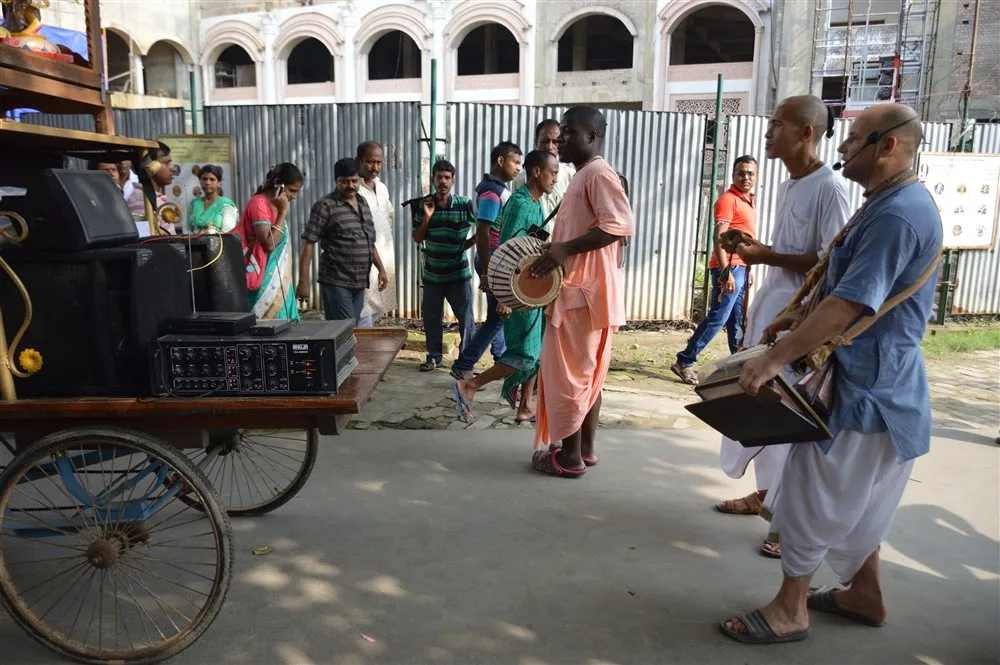

2. Om Namah Shivaya: The Panchakshari Mantra of the 5 Elements
Embedded at the very heart of the Shri Rudram in the Krishna Yajurveda, this five-syllable (Panchakshara) hymn represents the fundamental architecture of the entire physical cosmos:
- Na: Prithvi Tattva (Earth element, physical grounding, bones, and stability).
- Mah: Jala Tattva (Water element, emotional flow, blood, and purification).
- Shi: Agni Tattva (Fire element, inner digestion, intellect, and spiritual radiance).
- Va: Vayu Tattva (Air element, vital life breath, prana, and mobility).
- Ya: Akasha Tattva (Space / Ether element, cosmic spaciousness, and pure consciousness).
Chanting Om Namah Shivaya systematically balances the five elements within your physical and subtle bodies, dissipates egoic anger, and establishes the mind in profound stillness (Vairagya).

3. The Shri Ram Taraka Mantra: Crossing the Ocean of Sorrows
Celebrated throughout North and Central India by saints like Goswami Tulsidas, Samarth Ramdas, and Neem Karoli Baba, this sacred phrase is known as the Taraka Mantra (the acoustic vessel that carries the soul across the ocean of worldly delusion).
In the Ramcharitmanas, Tulsidas explains that the two syllables of Ra-Ma represent the seed sounds of the sun (Agni/Surya) and the moon (Chandra). The syllable Ra incinerates accumulated mental sins and emotional toxicity, while the syllable Ma closes the doors of the mind against fresh worldly agitation. Repeating this mantra fills your home with protective, auspicious vibrations.
4. The Maha Mrityunjaya Mantra: Conquering Fear and Mortality
उर्वारुकमिव बन्धनान्मृत्योर्मुक्षीय मामृतात् ॥
Originating in the Rigveda (7.59.12) and attributed to Sage Markandeya, this verse is chanted for physical healing, emotional resilience during grief, and conquering deep-seated panic. Notice the brilliant botanical metaphor of the ripe cucumber (Urvaruka): it does not ask for violent separation from life, but for natural spiritual ripeness so that physical attachments fall away gently without painful tearing.
5. The Gayatri Mantra: The Universal Prayer for Awakened Intellect
Revered as the mother of all Vedic meters (Gayatri Chandas) from the Rigveda (3.62.10), the Gayatri Mantra is a universal prayer for intellectual clarity, divine wisdom, and spiritual awakening. Reciting it facing East during sunrise clears mental fog, sharpens memory retention, and purifies the nervous system.

6. The Science of Bija Mantras and Sanskrit Acoustic Physics
Behind the multi-word verses lie single-syllable acoustic root seeds called Bija Mantras. Ancient yogic texts like the Mantra Mahodadhi explain that every sound frequency exerts a direct electromagnetic influence on human neurobiology:
- OM (Pranava): The primordial cosmic hum of creation containing three phonetic stages: A (throat/waking state), U (palate/dream state), and M (lips/deep sleep state), culminating in the silent resonance of the fourth transcendental state (Turiya).
- SHREEM: The seed sound of abundance, grace, and Goddess Mahalakshmi. It generates warmth in the solar plexus and dissolves feelings of scarcity and inadequacy.
- HREEM: The supreme seed sound of the Divine Mother (Bhuvaneshwari). It opens the heart chakra and purifies emotional longing into selfless devotion.
- KLEEM: The magnetic seed of attraction and Lord Krishna. It calms erratic desires by drawing the wandering senses toward divine love.
- DUM: The protective seed of Goddess Durga. It creates an energetic shield against psychic negativity and fear.
7. Universal Traditions: Om Mani Padme Hum and Waheguru
The beauty of sacred sound transcends sectarian boundaries:
- Om Mani Padme Hum (Tibetan Buddhist Chenrezig Mantra): Translating to "The Jewel in the Lotus", this six-syllable mantra purifies the six planes of cyclic existence and cultivates boundless Bodhicitta (universal compassion for all living beings).
- Waheguru (Sikh Gurmukhi Simran): Translating to "The Wondrous Divine Guru who dispels all darkness", repeating Waheguru fills the heart with profound awe, humility, and ecstatic remembrance (Simran) of the One Formless Creator.
Comprehensive Sacred Mantras Directory & Custom Guru Mantras
While this guide outlines several universal mantras, the spiritual path embraces countless divine expressions across Vedic, Vaishnava, Shaiva, Shakta, and Sikh lineages:
- Explore the Full Mantras Directory: Visit our dedicated Mantras Directory (
mantras) to explore authentic deity mantras, complete with Sanskrit Devanagari text, Romanized phonetics, and philosophical significance. - Add Your Personal Guru Mantra: If your spiritual preceptor has initiated you into a private Diksha mantra, you can use our Add My Custom Mantra feature to configure your own sacred phrase with custom phonetic triggers.
- Suggest Mantras via Live Community Sync: Contribute to our growing community sangha by suggesting new sacred mantras, which are reviewed and synchronized dynamically via Google Sheets.
Frequently Asked Questions About Choosing Mantras
Can I chant sacred mantras without initiation from a Guru?
Universal holy names such as the Hare Krishna Mahamantra, Om Namah Shivaya, and Rama Naam can be chanted freely by anyone without formal initiation.
Is understanding the meaning of a mantra mandatory before chanting?
The sonic vibration works on your subconscious mind regardless, but knowing the devotional meaning adds deep love and emotional warmth to your daily practice.
What is the best time of day to chant sacred mantras?
Early morning during Brahma Muhurta (4:00 AM to 6:00 AM) is ideal for quiet seated focus, though silent mental japa can be practiced throughout the day.
Can I chant multiple mantras in the same day?
You can offer prayers to different deities, but for your core daily japa target, staying loyal to one primary Ishta mantra yields the deepest mental stability.
Where can I explore the full directory of sacred mantras?
Visit the Mantras Directory to explore our comprehensive library of authentic Vedic and Bhakti mantras with pronunciation guides.
How can I add my personal Guru Mantra?
Tap Tools & Settings and choose 'Add My Custom Mantra' to enter your personal phrase in English or Devanagari with custom phonetic matching.